Hair loss, also known as alopecia, is a common condition that affects many people at some point in their lives. It can be caused by a variety of factors including genetics, hormonal changes, medical conditions, and certain medications. While hair loss can be distressing, there are many treatments available to help manage the condition and regrow lost hair.
Introduction to Hair Loss
Hair loss, also known as alopecia, is a common condition that affects many individuals at some point in their lives. It occurs when there is a disruption in the hair growth cycle, causing hair to fall out more rapidly than it can be replaced. Hair loss can be caused by a variety of factors, including genetics, hormonal changes, medical conditions, and certain medications.
What is hair loss and its common causes
Hair loss is the loss of hair from various parts of the body, most commonly the scalp. The most common cause of hair loss is a hereditary condition known as androgenetic alopecia. This type of hair loss is gradual and typically starts with thinning at the hairline and crown. Other common causes of hair loss include hormonal changes, such as those experienced during pregnancy or menopause, certain medical conditions like thyroid disorders or autoimmune diseases, and certain medications, such as chemotherapy drugs.
Understanding the impact of hair loss on individuals
Hair loss can have a significant impact on individuals' self-esteem and overall well-being. Losing hair can affect one's confidence and body image, causing emotional distress and anxiety. Individuals may feel self-conscious about their appearance and may seek ways to conceal their hair loss, such as wearing hats or wigs. It is important to acknowledge the emotional impact of hair loss and provide support and resources for those experiencing it.
In the next blog section, we will explore various treatments available to manage hair loss and regrow lost hair.
Genetic Factors and Hair Loss
Genetics and its role in hair loss
Genetics play a significant role in determining whether an individual will experience hair loss. It is estimated that hereditary factors contribute to about 80% of hair loss cases. This means that if your parents or close relatives have experienced hair loss, you may be more likely to develop it as well.
The most common type of hair loss caused by genetics is known as androgenetic alopecia, or male pattern baldness. This condition is characterized by a receding hairline and thinning hair on the crown of the head. It is more common in men, but women can also be affected by it.
Different types of genetic hair loss conditions
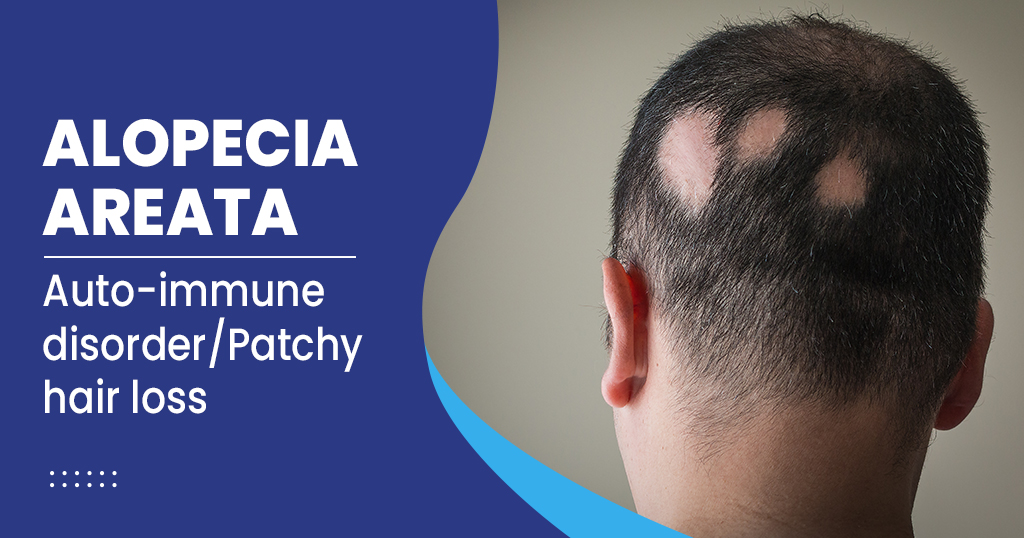
Aside from androgenetic alopecia, there are other genetic conditions that can cause hair loss. One example is alopecia areata, which is an autoimmune disorder that causes hair follicles to be mistakenly attacked by the immune system. This results in patchy hair loss on the scalp or other parts of the body. Another condition is telogen effluvium, which is a temporary form of hair loss that is triggered by emotional or physical stress.
Understanding the genetic factors behind hair loss is crucial in finding the most suitable treatments and managing the condition effectively. In the next blog section, we will explore different treatments available to address hair loss caused by genetic factors.
Hormonal Changes and Hair Loss
Hormonal imbalances and their connection to hair loss
Hormonal imbalances can have a significant impact on hair growth and contribute to hair loss. One common hormone related to hair loss is dihydrotestosterone (DHT). DHT is a byproduct of testosterone and can bind to hair follicles, causing them to shrink and produce thinner, shorter hair strands. This can eventually lead to hair loss.
Hormonal changes, such as those that occur during puberty, can also affect hair growth. The surge in hormone levels during this time can disrupt the hair growth cycle and cause temporary hair loss.
Hair loss during pregnancy and menopause
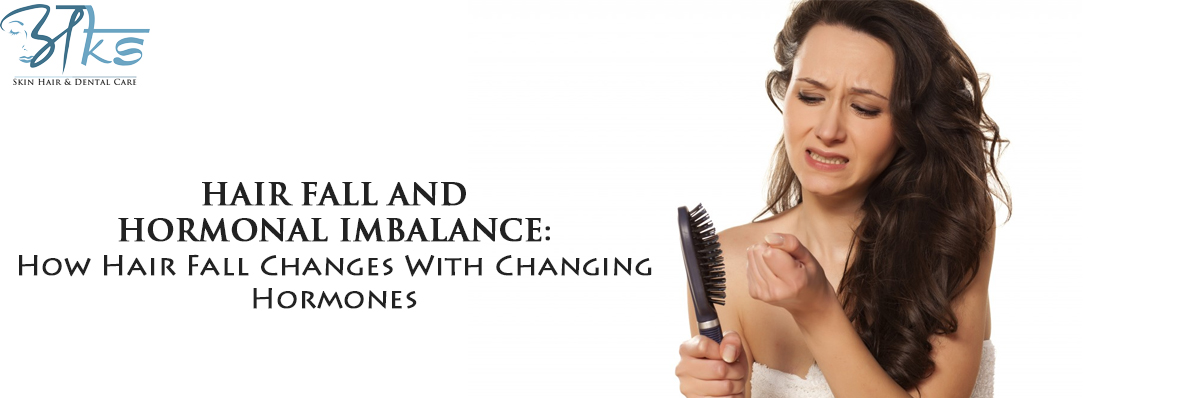
Pregnancy and menopause are two stages in a woman's life that can bring about significant hormonal changes and potentially lead to hair loss. During pregnancy, hormonal fluctuations can cause hair to enter a resting phase, resulting in increased shedding a few months after giving birth. This condition is known as postpartum hair loss and is usually temporary.
Similarly, menopause can cause hormonal shifts that affect hair growth. As estrogen levels decline, hair may become thinner and more prone to shedding. However, it's important to note that not all women experience hair loss during menopause.
Understanding the relationship between hormonal changes and hair loss is crucial in finding effective treatment options and managing the condition. In the next blog section, we will explore different treatments available to address hair loss caused by hormonal imbalances.
Medical Conditions and Hair Loss
Medical conditions that can cause hair loss
Hair loss, also known as alopecia, can be caused by various medical conditions. Some of the common conditions that can contribute to hair loss include:
Androgenetic alopecia: This is a hereditary condition that affects both men and women. It is characterized by the gradual thinning of hair on the scalp, eventually leading to baldness.
Alopecia areata: This is an autoimmune condition that causes patches of hair loss on the scalp and body. It occurs when the immune system mistakenly attacks hair follicles.
Thyroid disorders: Both hypothyroidism (an underactive thyroid) and hyperthyroidism (an overactive thyroid) can lead to hair loss. Imbalances in thyroid hormones can disrupt the hair growth cycle.
Scalp infections: Fungal and bacterial infections on the scalp, such as ringworm, can cause hair loss. These infections can damage the hair follicles and interfere with hair growth.
Autoimmune disorders and their impact on hair health
Autoimmune disorders, such as lupus and psoriasis, can have a significant impact on hair health. In these conditions, the immune system mistakenly attacks healthy cells, including hair follicles. This can lead to hair loss in patches or even complete baldness in severe cases.
It is essential to consult a healthcare professional if you are experiencing excessive hair loss or have concerns about the condition of your hair. They can diagnose any underlying medical conditions and provide appropriate treatment options to help manage hair loss.
Medications and Hair Loss
Common medications that may cause hair loss
Hair loss can be a side effect of certain medications. While not all medications cause hair loss, there are some common ones that have been associated with this side effect. These include:
Chemotherapy drugs: These powerful medications used in cancer treatment can cause hair loss. However, hair usually grows back once treatment is completed.
Anticoagulants: Blood thinners like heparin or warfarin may lead to hair thinning or loss in some individuals.
Antidepressants: Some antidepressant medications, such as selective serotonin reuptake inhibitors (SSRIs), have been linked to hair loss.
Acne medications: Certain acne medications, like isotretinoin, have been associated with temporary hair loss during treatment.
Managing hair loss as a side effect of certain medications
If you are experiencing hair loss as a result of medication, it is essential to talk to your healthcare provider. They may be able to change your medication or adjust the dosage to minimize this side effect. Additionally, they can provide guidance on potential hair loss treatments or solutions to help manage the condition.
Remember, everyone's response to medications and side effects can vary, so it's crucial to consult with a medical professional for individualized advice and treatment options.
Treatment Options for Hair Loss
Hair loss, also known as alopecia, is a common condition that affects many individuals at some point in their lives. It can be caused by various factors, including genetics, hormonal changes, medical conditions, and certain medications. However, there are numerous treatment options available to help manage the condition and regrow lost hair.
Non-surgical treatments for hair loss
Medications: There are medications available that can help slow down hair loss and promote regrowth. Some commonly used medications include minoxidil (Rogaine) and finasteride (Propecia).
Topical treatments: Certain shampoos, conditioners, and serums contain ingredients that nourish the scalp and stimulate hair growth. Look for products with ingredients like biotin, keratin, and caffeine.
Low-level laser therapy: This treatment involves using a specialized device that emits red light onto the scalp. It is believed to stimulate hair follicles and promote regrowth.
Understanding hair restoration surgeries
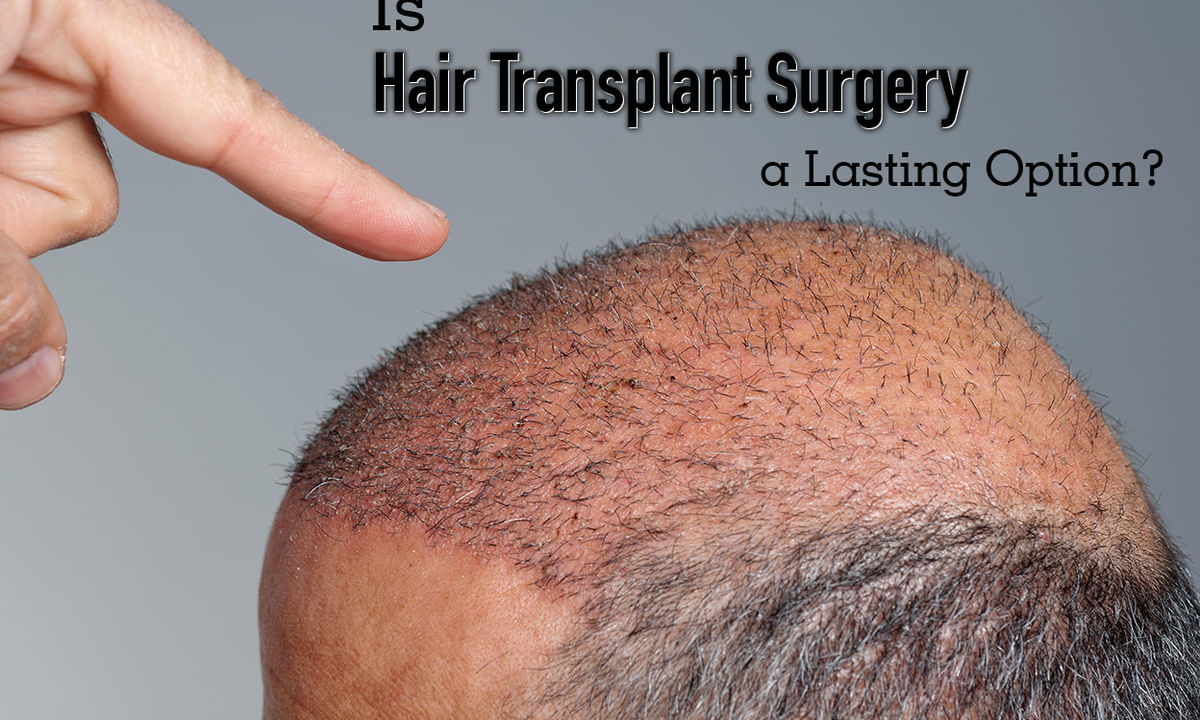
Hair transplant: This surgical procedure involves removing hair follicles from areas of the scalp with sufficient hair growth and transplanting them to areas experiencing hair loss.
Scalp reduction: In this procedure, the scalp with sparse hair is surgically removed and the remaining scalp with healthy hair is stretched to cover the bald area.
Scalp micropigmentation: This non-invasive procedure involves tattooing tiny dots on the scalp to mimic the appearance of hair follicles, creating the illusion of a full head of shaved hair.
It is important to consult with a healthcare professional or a hair loss specialist to determine the most suitable treatment option based on the cause and extent of hair loss. They can provide personalized advice and guide you in choosing the right approach to manage your condition effectively.

Hair Loss Prevention and Maintenance
Tips for Preventing Hair Loss
Hair loss, also known as alopecia, is a common condition that affects many individuals at some point in their lives. It can be caused by various factors, including genetics, hormonal changes, medical conditions, and certain medications. While hair loss can be distressing, there are several steps you can take to help prevent it:
Eat a balanced diet: Good nutrition is vital for healthy hair growth. Include protein-rich foods, such as lean meats, fish, and legumes, in your diet. Additionally, consume plenty of fruits, vegetables, and whole grains for essential vitamins and minerals.
Avoid excessive heat and styling: Overusing heating tools like hairdryers, curling irons, and straighteners can damage the hair and weaken the follicles. Limit their use, and when you do use them, use heat protectant products.
Protect your hair from the sun: UV rays can damage the hair shaft, leading to breakage. Wear a hat or use hair products with SPF to shield your hair from harmful sun exposure.
Minimize stress: Excess stress can contribute to hair loss. Practice relaxation techniques such as meditation, exercise, or engaging in hobbies to manage stress levels.
Hair Care Routines for Maintaining Healthy Hair
Maintaining a good hair care routine is essential for overall hair health. Here are some tips to keep your hair healthy and reduce the risk of hair loss:
Regularly wash your hair: Keeping your scalp clean helps prevent conditions like dandruff and scalp infections, which can contribute to hair loss. Use a gentle shampoo and conditioner suitable for your hair type.
Avoid tight hairstyles: Tying your hair too tightly or using hairstyles that pull on the hair, like tight braids or buns, can cause hair breakage and damage the hair follicles. Opt for looser hairstyles that don't strain the hair.
Use a wide-toothed comb: When detangling wet hair, use a wide-toothed comb to minimize hair breakage. Start combing from the ends and work your way up to the roots.
Moisturize and protect: Use a leave-in conditioner or hair serum to moisturize and protect your hair from environmental damage. Additionally, consider using products with ingredients like biotin, keratin, and vitamins to promote hair health.
By incorporating these preventive measures and establishing a proper hair care routine, you can help maintain a healthy scalp and minimize the risk of hair loss. Remember, consulting a healthcare professional or a hair loss specialist is important if you are experiencing significant hair loss or seeking personalized advice regarding treatment options.
Psychological Impact of Hair Loss
Emotional effects of hair loss on self-esteem
Hair loss can have a significant impact on an individual's emotional well-being and self-esteem. Losing one's hair can lead to feelings of embarrassment, self-consciousness, and a decrease in self-confidence. The change in one's appearance may also affect social interactions and relationships, further exacerbating these negative emotions. In some cases, individuals may even experience anxiety or depression as a result of their hair loss. It is essential to recognize and address the emotional effects of hair loss, as they can deeply impact a person's overall quality of life.
Support and coping mechanisms for individuals experiencing hair loss
It is crucial for individuals experiencing hair loss to have a support system in place. Talking to friends, family members, or joining support groups can provide an avenue for expressing emotions and gaining encouragement. Seeking professional help from therapists or counselors who specialize in body image and self-esteem issues can also be beneficial. Additionally, exploring various coping mechanisms such as practicing self-care, engaging in physical activities, and pursuing hobbies can help individuals maintain a positive mindset and boost their self-esteem. It is important to remember that hair loss does not define one's worth, and there are resources available to help individuals navigate through these challenges.
Conclusion
Hair loss, also known as alopecia, can have a significant impact on an individual's emotional well-being and self-esteem. It is essential to recognize and address the emotional effects of hair loss, as they can deeply impact a person's overall quality of life. Having a support system in place and exploring various coping mechanisms can help individuals maintain a positive mindset and boost their self-esteem. It is important to remember that hair loss does not define one's worth, and there are resources available to help individuals navigate through these challenges.
Summary of Available Treatments for Hair Loss
There are various treatments available to help manage and regrow lost hair. These treatments include:
Medications: Certain medications, such as minoxidil and finasteride, can help stimulate hair growth and slow down hair loss.
Hair Transplant Surgery: This procedure involves taking hair follicles from one part of the body and transplanting them to the balding areas.
Laser Therapy: Low-level laser therapy can be used to stimulate hair growth and improve the overall health of the hair follicles.
Scalp Micropigmentation: This technique involves tattooing tiny dots on the scalp to mimic the appearance of hair follicles, giving the illusion of a fuller head of hair.
Encouragement for Individuals Experiencing Hair Loss to Seek Professional Help
For those experiencing hair loss, it is crucial to seek professional help from dermatologists or hair specialists who can provide guidance and recommend appropriate treatments. These professionals can assess the underlying causes of hair loss and develop a personalized treatment plan. Remember, you are not alone in this journey, and there are experts available to support you every step of the way. Don't hesitate to reach out for help and take action towards regaining your confidence and managing your hair loss.
There are two main types of hair loss: pattern hair loss and non-pattern hair loss. Pattern hair loss, also known as androgenetic alopecia
, is the most common type of hair loss and is caused by a combination of genetics and hormones. Non-pattern hair loss can be caused by a variety of factors including medical conditions, medications, and physical or emotional stress.Hormonal changes can also play a role in hair loss. For example, many women experience hair loss during menopause due to hormonal fluctuations. Similarly, fluctuations in testosterone levels can cause hair loss in both men and women.
Certain medical conditions, such as alopecia areata, can also cause hair loss. This condition is an autoimmune disorder that causes patches of hair loss on the scalp and other parts of the body. Other medical conditions, such as thyroid disease and iron-deficiency anemia, can also contribute to hair loss.
There are several treatments available for hair loss, including medication, topical solutions, and hair transplantation surgery. Medications such as minoxidil and finasteride have been shown to be effective in promoting hair growth and slowing down the progression of hair loss. Topical solutions, such as hair growth serums and scalp treatments, can also help to promote hair growth.

Hair transplantation surgery is a more invasive option, but can also be effective for those who are experiencing significant hair loss. The procedure involves removing hair from one part of the scalp and transplanting it to an area of the scalp where hair is thinning or absent.
In conclusion, hair loss can be a distressing condition, but there are many treatments available to help manage the condition and regrow lost hair. If you are experiencing hair loss, it is important to talk to a doctor or dermatologist to determine the cause and find the best course of treatment for your specific needs.