Self-care:

Self-care: Strategies for self-care rituals, ways to relax, and build a positive self-image.

Sustainable Living:

Guidance on environmentally friendly practices, reducing carbon emissions, and integrating sustainability into everyday life.

Success Stories:

Success Stories: Inspirational stories from individuals who have achieved their health and wellness goals.

Mental health:

Insights into mindfulness, stress management, meditation techniques, and the promotion of emotional well-being.

Self-care:

Self-care: Strategies for self-care rituals, ways to relax, and build a positive self-image.

best way to lose weight fast naturally with home remedies

There is a saying that Low and steady may win the race. The opposite happens when it comes to the point of losing weight. When you’re trying to lose weight then fast heeling is the best remedy.

How Fast Should I Lose Weight?

What is an acceptable rate to lose weight? Or I guess I should clarify that, how fast should a person lose fat?

Search This Blog

Latest topics

Showing posts with label Hair loss. Show all posts

Unlocking the Secret to Luscious Locks

Unlocking the Secret to Luscious Locks: A Deep Dive into Provillus Woman's Hair Regrowth

Reclaim your confidence and revitalize your hair with a comprehensive, science-backed approach.

provillus-women-hair-regrowth-e9567373ou

Highlights of Provillus Woman's Hair Regrowth System:

  • Dual-Action System: Combines an FDA-approved topical solution (Minoxidil) with an internal supplement for comprehensive hair nourishment and stimulation.
  • Holistic Hair Revival: Addresses dryness, damage, and thinning by strengthening hair from the roots, promoting new growth, and enhancing overall vitality.
  • Risk-Free Investment: Backed by a 90-day money-back guarantee, allowing you to experience the benefits with peace of mind.

If you've been navigating the disheartening journey of hair loss, dryness, or thinning, you're certainly not alone. Millions of women globally experience these challenges, which can significantly impact self-esteem and daily life. The quest for a reliable solution often leads to a myriad of products promising miraculous results. Among them, the Provillus Woman's Hair Regrowth System stands out, offering a scientifically formulated and user-friendly approach to hair revitalization. This comprehensive guide will take a deep dive into what makes Provillus a compelling option for those seeking to restore their hair's natural beauty and strength.


Understanding The Tried-and-True Provillus Formula

At the core of Provillus's effectiveness is its meticulously developed formula, which integrates both clinically tested ingredients and powerful natural compounds. This system is engineered to tackle hair loss from multiple angles, ensuring a comprehensive approach to regrowth and scalp health. The cornerstone of the topical solution is Minoxidil, the only ingredient for female pattern hair loss that has received approval from the FDA. Used at a 2% concentration, Minoxidil works by stimulating dormant hair follicles, extending the anagen (growth) phase of the hair cycle, and increasing blood flow to the scalp, which in turn promotes the growth of thicker, healthier hair.

Complementing Minoxidil, the formula also incorporates a blend of potent plant extracts and essential nutrients. These include:

  • Stinging Nettle (Urtica dioica): Known for its ability to help block the production of DHT (Dihydrotestosterone), a hormone frequently associated with hair thinning and loss. By interfering with DHT, stinging nettle can help prolong the life cycle of hair strands and encourage new growth.
  • Pumpkin Extract (Cucurbita pepo): Rich in vitamins, minerals, and fatty acids, pumpkin extract is believed to help protect hair follicles from shrinking and provides vital nutrients that support overall hair strength and vitality.
  • Uva-Ursi (Arctostaphylos uva-ursi): Offers anti-inflammatory and antibacterial properties, contributing to a healthier scalp environment. A healthy scalp is crucial for robust hair growth, as it reduces irritation and provides a clean foundation for follicles to thrive.
  • Essential Vitamins and Minerals: The internal supplement component of Provillus for women typically contains ingredients such as Vitamin B6, Biotin, Magnesium, Para-Amino Benzoic Acid (PABA), and Horsetail Silica. These nutrients are vital for cellular function, keratin production (the primary protein in hair), and overall hair follicle health, ensuring nourishment from within.

This synergistic blend aims to nourish the hair from its roots while simultaneously stimulating external growth, directly addressing the underlying causes of hair loss in women, such as hormonal imbalances, nutrient deficiencies, and hereditary factors.


Conquering Dry, Damaged, and Thinning Hair

The frustration of dealing with brittle, lackluster, or visibly thinning hair is a shared experience for many. Provillus Woman's Hair Regrowth system is specifically formulated to alleviate these common concerns, moving beyond mere surface-level repair to genuinely revitalize hair health.

  • Moisturizes and Repairs: The multi-action formula works to restore the hair's natural moisture balance, which is crucial for combating dryness and preventing breakage. By providing deep nourishment, it helps to repair existing damage, reducing the appearance of split ends and improving overall hair texture.
  • Strengthens from the Roots: Essential nutrients are delivered directly to the hair follicles, fostering an optimal scalp environment. A healthy scalp is fundamental for strong hair growth, allowing strands to emerge more resilient and less prone to falling out.
  • Reduces Hair Loss: By targeting the root causes of shedding and thinning, Provillus helps to minimize excessive hair fallout, ensuring more hair stays on your head and less on your brush. This reduction in shedding contributes to a noticeable increase in hair density over time.

Unlike some harsh treatments that can further damage already delicate hair, Provillus prioritizes gentle, natural ingredients that support the hair's inherent healing and growth processes. The sulfate-free formulation further ensures that your hair is treated with care, promoting healthier hair without stripping its natural oils.


The Radically Life-Changing Benefits of Provillus’ Elite System

Provillus distinguishes itself through a targeted, science-backed methodology, designed to deliver transformative results. This elite system provides a comprehensive solution for women seeking not just regrowth, but a complete restoration of their hair's vitality.

Easy to Use 2-Part System

The simplicity of the Provillus system is one of its most appealing features. It comprises two distinct components that integrate seamlessly into any daily routine:

  • Tablets (Oral Supplement): These daily supplements are packed with a blend of essential vitamins, minerals, and botanicals. They work internally to nourish hair follicles, providing the foundational nutrients necessary for healthy hair growth and overall scalp health.
  • Topical Solution: Applied directly to the scalp, this solution contains Minoxidil and other plant extracts. It actively stimulates dormant hair follicles and encourages new hair growth externally, directly targeting areas of thinning.

This dual-action approach ensures that hair loss is addressed from both internal and external perspectives, maximizing the potential for effective regrowth.

Enhance Growth & Volume

By attacking the issue of hair loss from multiple angles, users often report a significant increase in hair density and volume. The stimulation of dormant follicles and the nourishment provided lead to hair that feels thicker, appears fuller, and is more manageable, restoring a youthful bounce and vitality.

This radar chart illustrates the perceived effectiveness of Provillus across key hair regrowth dimensions, based on synthesized product claims and user experiences.

Two Treatments – Each Proven Separately

Both the Minoxidil-based topical solution and the natural ingredient-rich oral supplements have been extensively studied and validated for their individual benefits in hair health. Minoxidil boasts decades of research supporting its efficacy in reversing hair loss and stimulating growth, while the botanical ingredients are selected for their established benefits in supporting a healthy hair ecosystem. Their combined application creates a powerful synergistic effect.

Total 360° Restoration

Provillus goes beyond merely addressing thinning; it aims for a complete hair transformation. This holistic approach helps restore shine, increase strength, and improve the overall resilience of the hair, leading to a visible and tangible enhancement in its appearance and feel.

No Foul Odor or Residue

A common complaint with many hair treatments is the unpleasant smell or sticky residue they leave behind. Provillus is formulated to be clean, odorless, and non-greasy, ensuring that daily application is comfortable and doesn't interfere with your routine or hair styling.

Advertise with Anonymous Ads

Proven in the Lab, Results in the World

The efficacy of Provillus is supported by both scientific research and real-world testimonials. The ingredients undergo rigorous testing, and countless users have reported visible and satisfying results within a matter of weeks or months, solidifying its reputation as a reliable solution.

This mindmap visualizes the interconnected benefits of the Provillus Woman's Hair Regrowth system, showing how each aspect contributes to overall hair health and restoration.

mindmap root["Provillus Woman's Hair Regrowth System"] id1["Tried-and-True Formula"] id2["Minoxidil (2% FDA-Approved)"] id3["Natural Botanicals"] id4["Stinging Nettle (DHT Blocker)"] id5["Pumpkin Extract (Follicle Protection)"] id6["Uva-Ursi (Scalp Health)"] id7["Essential Nutrients"] id8["Biotin"] id9["Magnesium"] id10["Vitamin B6"] id11["Addresses Common Hair Issues"] id12["Combats Dryness"] id13["Repairs Damage"] id14["Reduces Thinning"] id15["Life-Changing Benefits"] id16["Easy 2-Part System"] id17["Oral Tablets"] id18["Topical Solution"] id19["Enhanced Growth & Volume"] id20["Separately Proven Treatments"] id21["Total 360° Restoration"] id22["Improved Shine"] id23["Increased Strength"] id24["Enhanced Resilience"] id25["No Foul Odor/Residue"] id26["Lab & Real-World Proven"]

A comprehensive mindmap illustrating the core components and multifaceted benefits of the Provillus Woman's Hair Regrowth system.


Exclusive Savings: This Week’s Special Offer

Investing in your hair health is a commitment, and Provillus makes it more accessible with special promotional offers. Currently, significant savings of over 50% are available on select multi-month supply packages. These offers are designed to encourage consistent use, which is key to achieving and maintaining optimal results.

Here’s a breakdown of the available packages:

Package Description Ideal For
1 MONTH SUPPLY Standard supply for initial trial. First-time users or those wanting to test the product.
3 MONTH SUPPLY Extended use, offering better value per unit. Users committed to seeing initial results and sustained improvement.
MOST POPULAR: 6 MONTH SUPPLY Best value package, ensuring consistent, long-term results. Individuals seeking significant, lasting hair transformation.

Choosing a multi-month supply, especially the six-month option, is often recommended as it aligns with the typical timeframe needed to observe substantial hair regrowth and improvement in hair quality. These packages cater to various needs and budgets, making it easier to embark on your hair regrowth journey.

This bar chart visually represents the perceived value and commitment associated with different Provillus supply packages, highlighting the advantages of longer-term options.


The 90-Day Money-Back Guarantee: A Risk-Free Promise

Understanding the hesitancy that can come with trying new hair regrowth treatments, Provillus offers a robust 90-day money-back guarantee. This policy reflects the company's confidence in their product's efficacy. If, for any reason, you are not completely satisfied with your results within three months of purchase, you can request a full refund. This no-questions-asked guarantee significantly reduces the risk for new users, allowing them to experience the product's benefits firsthand with peace of mind. It underscores a commitment to customer satisfaction and belief in the transformative power of the Provillus system.

Provillus for Women Hair Regrowth System packaging

An example of the Provillus Hair Regrowth System packaging, indicating a comprehensive treatment.

Please, if you want to buy the product, click on the purchase link from this site and get a discount of up to 40%.

BUY 5 BOTTLES 5 Month Special Plan


Authentic Voices: Testimonials and Real-World Results

Beyond scientific formulations and guarantees, the true measure of a product's success lies in the experiences of its users. Provillus has garnered numerous testimonials from women who have seen tangible improvements in their hair health and appearance. These personal accounts highlight the profound impact the system can have on confidence and quality of life.

Many users report noticeable changes within a few months of consistent use. Stories frequently mention a reduction in hair shedding, increased hair thickness, and improved overall hair vitality and shine. Whether battling postpartum hair loss, thinning due to hormonal changes, or general age-related hair challenges, women share how Provillus has helped them regain not just their hair, but also their self-assurance.

For instance, one user shared her journey: “After struggling with thinning hair for years, I tried Provillus. The difference is real—my hair is thicker, and I finally feel confident again.” Another highlighted the comprehensive approach: “My dermatologist recommended Minoxidil, but I wanted something with natural support. Provillus delivers on both fronts.”

These authentic experiences underscore that while individual results may vary, the core benefits of the Provillus system resonate with many, offering hope and a practical solution for those seeking to revitalize their hair.

This video, titled "Provillus hair growth hair loss for women", provides a general overview of Provillus specifically for female hair growth and addresses common questions users might have about its effectiveness in combating hair loss. It offers a visual and auditory summary that complements the detailed information provided in this post, reinforcing the product's claims and benefits.


BUY 3 BOTTLES 3 Month Supply

Frequently Asked Questions (FAQ)

What is female pattern hair loss?
Female pattern hair loss, also known as androgenetic alopecia, is a common condition characterized by progressive thinning of hair, especially on the crown and top of the scalp. It's often influenced by genetics and hormonal factors.
How does Minoxidil work for hair regrowth?
Minoxidil is believed to work by widening blood vessels, which improves blood flow to hair follicles. This increased circulation delivers more oxygen and nutrients to the follicles, helping to reactivate dormant ones and extend the growth phase of existing hairs, leading to thicker, stronger strands.
Are there any side effects associated with Provillus?
When used as directed, Provillus is generally well-tolerated. However, as with any treatment, individual reactions can vary. Minoxidil, the active ingredient in the topical solution, can sometimes cause scalp irritation, dryness, or unwanted facial hair growth in some sensitive individuals. The natural ingredients in the supplement are typically safe, but it's always advisable to consult a healthcare professional before starting any new supplement, especially if you have pre-existing medical conditions or are taking other medications.
How long does it take to see results with Provillus?
Results can vary from person to person, but many users report noticeable improvements in hair density and reduction in shedding within 2-3 months of consistent use. Optimal results typically become more apparent after 4-6 months, as hair growth is a gradual process. Consistency in applying the topical solution and taking the supplements as directed is crucial for achieving the best outcomes.
Can Provillus be used for all hair types?
Yes, Provillus is formulated to be effective for all hair types. Its mechanism of action, which involves stimulating hair follicles and nourishing them from within, is not dependent on hair texture or ethnicity.
Is the 90-day money-back guarantee truly risk-free?
Yes, the 90-day money-back guarantee offered by Provillus allows you to try the product for up to three months. If you are not satisfied with your results within this period, you can return any unopened bottles for a full refund, providing a significant level of assurance for new users.

Conclusion

The Provillus Woman's Hair Regrowth System offers a beacon of hope for women grappling with the challenges of dry, damaged, or thinning hair. By integrating an FDA-approved topical solution with a nourishing internal supplement, it provides a powerful, dual-action approach that targets hair loss from every angle. From stimulating dormant follicles with Minoxidil to fortifying hair from within with essential vitamins and botanicals like Stinging Nettle and Pumpkin Extract, Provillus is designed for comprehensive hair revival. Its ease of use, absence of foul odor or residue, and a strong backing of both lab research and real-world testimonials further enhance its appeal. Coupled with attractive special offers and a reassuring 90-day money-back guarantee, Provillus presents a compelling and low-risk opportunity for women to embark on a journey towards thicker, healthier, and more vibrant hair, ultimately reclaiming their confidence and enhancing their overall well-being. If you are ready to take control of your hair's future, Provillus offers a smart, science-backed solution for fuller, healthier hair.


Recommended Further Reading


Referenced Search Results

Hair Loss Treatments and Causes


Hair loss, also known as alopecia, is a common condition that affects many people at some point in their lives. It can be caused by a variety of factors including genetics, hormonal changes, medical conditions, and certain medications. While hair loss can be distressing, there are many treatments available to help manage the condition and regrow lost hair.

Introduction to Hair Loss

Hair loss, also known as alopecia, is a common condition that affects many individuals at some point in their lives. It occurs when there is a disruption in the hair growth cycle, causing hair to fall out more rapidly than it can be replaced. Hair loss can be caused by a variety of factors, including genetics, hormonal changes, medical conditions, and certain medications.

What is hair loss and its common causes

Hair loss is the loss of hair from various parts of the body, most commonly the scalp. The most common cause of hair loss is a hereditary condition known as androgenetic alopecia. This type of hair loss is gradual and typically starts with thinning at the hairline and crown. Other common causes of hair loss include hormonal changes, such as those experienced during pregnancy or menopause, certain medical conditions like thyroid disorders or autoimmune diseases, and certain medications, such as chemotherapy drugs.

Understanding the impact of hair loss on individuals

Hair loss can have a significant impact on individuals' self-esteem and overall well-being. Losing hair can affect one's confidence and body image, causing emotional distress and anxiety. Individuals may feel self-conscious about their appearance and may seek ways to conceal their hair loss, such as wearing hats or wigs. It is important to acknowledge the emotional impact of hair loss and provide support and resources for those experiencing it.

In the next blog section, we will explore various treatments available to manage hair loss and regrow lost hair.

Genetic Factors and Hair Loss

Genetics and its role in hair loss

Genetics play a significant role in determining whether an individual will experience hair loss. It is estimated that hereditary factors contribute to about 80% of hair loss cases. This means that if your parents or close relatives have experienced hair loss, you may be more likely to develop it as well.

The most common type of hair loss caused by genetics is known as androgenetic alopecia, or male pattern baldness. This condition is characterized by a receding hairline and thinning hair on the crown of the head. It is more common in men, but women can also be affected by it.

Different types of genetic hair loss conditions

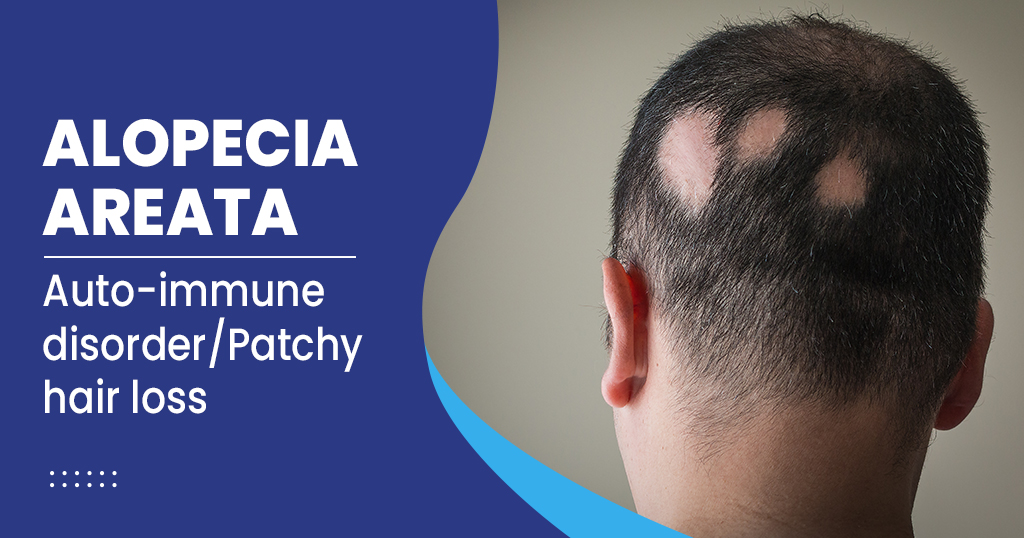
Aside from androgenetic alopecia, there are other genetic conditions that can cause hair loss. One example is alopecia areata, which is an autoimmune disorder that causes hair follicles to be mistakenly attacked by the immune system. This results in patchy hair loss on the scalp or other parts of the body. Another condition is telogen effluvium, which is a temporary form of hair loss that is triggered by emotional or physical stress.

Understanding the genetic factors behind hair loss is crucial in finding the most suitable treatments and managing the condition effectively. In the next blog section, we will explore different treatments available to address hair loss caused by genetic factors.

Hormonal Changes and Hair Loss

Hormonal imbalances and their connection to hair loss

Hormonal imbalances can have a significant impact on hair growth and contribute to hair loss. One common hormone related to hair loss is dihydrotestosterone (DHT). DHT is a byproduct of testosterone and can bind to hair follicles, causing them to shrink and produce thinner, shorter hair strands. This can eventually lead to hair loss.

Hormonal changes, such as those that occur during puberty, can also affect hair growth. The surge in hormone levels during this time can disrupt the hair growth cycle and cause temporary hair loss.

Hair loss during pregnancy and menopause

Pregnancy and menopause are two stages in a woman's life that can bring about significant hormonal changes and potentially lead to hair loss. During pregnancy, hormonal fluctuations can cause hair to enter a resting phase, resulting in increased shedding a few months after giving birth. This condition is known as postpartum hair loss and is usually temporary.

Similarly, menopause can cause hormonal shifts that affect hair growth. As estrogen levels decline, hair may become thinner and more prone to shedding. However, it's important to note that not all women experience hair loss during menopause.

Understanding the relationship between hormonal changes and hair loss is crucial in finding effective treatment options and managing the condition. In the next blog section, we will explore different treatments available to address hair loss caused by hormonal imbalances.

Medical Conditions and Hair Loss

Medical conditions that can cause hair loss

Hair loss, also known as alopecia, can be caused by various medical conditions. Some of the common conditions that can contribute to hair loss include:

  1. Androgenetic alopecia: This is a hereditary condition that affects both men and women. It is characterized by the gradual thinning of hair on the scalp, eventually leading to baldness.

  2. Alopecia areata: This is an autoimmune condition that causes patches of hair loss on the scalp and body. It occurs when the immune system mistakenly attacks hair follicles.

  3. Thyroid disorders: Both hypothyroidism (an underactive thyroid) and hyperthyroidism (an overactive thyroid) can lead to hair loss. Imbalances in thyroid hormones can disrupt the hair growth cycle.

  4. Scalp infections: Fungal and bacterial infections on the scalp, such as ringworm, can cause hair loss. These infections can damage the hair follicles and interfere with hair growth.

Autoimmune disorders and their impact on hair health

Autoimmune disorders, such as lupus and psoriasis, can have a significant impact on hair health. In these conditions, the immune system mistakenly attacks healthy cells, including hair follicles. This can lead to hair loss in patches or even complete baldness in severe cases.

It is essential to consult a healthcare professional if you are experiencing excessive hair loss or have concerns about the condition of your hair. They can diagnose any underlying medical conditions and provide appropriate treatment options to help manage hair loss.

Medications and Hair Loss

Common medications that may cause hair loss

Hair loss can be a side effect of certain medications. While not all medications cause hair loss, there are some common ones that have been associated with this side effect. These include:

  1. Chemotherapy drugs: These powerful medications used in cancer treatment can cause hair loss. However, hair usually grows back once treatment is completed.

  2. Anticoagulants: Blood thinners like heparin or warfarin may lead to hair thinning or loss in some individuals.

  3. Antidepressants: Some antidepressant medications, such as selective serotonin reuptake inhibitors (SSRIs), have been linked to hair loss.

  4. Acne medications: Certain acne medications, like isotretinoin, have been associated with temporary hair loss during treatment.

Managing hair loss as a side effect of certain medications

If you are experiencing hair loss as a result of medication, it is essential to talk to your healthcare provider. They may be able to change your medication or adjust the dosage to minimize this side effect. Additionally, they can provide guidance on potential hair loss treatments or solutions to help manage the condition.

Remember, everyone's response to medications and side effects can vary, so it's crucial to consult with a medical professional for individualized advice and treatment options.

Treatment Options for Hair Loss

Hair loss, also known as alopecia, is a common condition that affects many individuals at some point in their lives. It can be caused by various factors, including genetics, hormonal changes, medical conditions, and certain medications. However, there are numerous treatment options available to help manage the condition and regrow lost hair.

Non-surgical treatments for hair loss

  1. Medications: There are medications available that can help slow down hair loss and promote regrowth. Some commonly used medications include minoxidil (Rogaine) and finasteride (Propecia).

  2. Topical treatments: Certain shampoos, conditioners, and serums contain ingredients that nourish the scalp and stimulate hair growth. Look for products with ingredients like biotin, keratin, and caffeine.

  3. Low-level laser therapy: This treatment involves using a specialized device that emits red light onto the scalp. It is believed to stimulate hair follicles and promote regrowth.

Understanding hair restoration surgeries

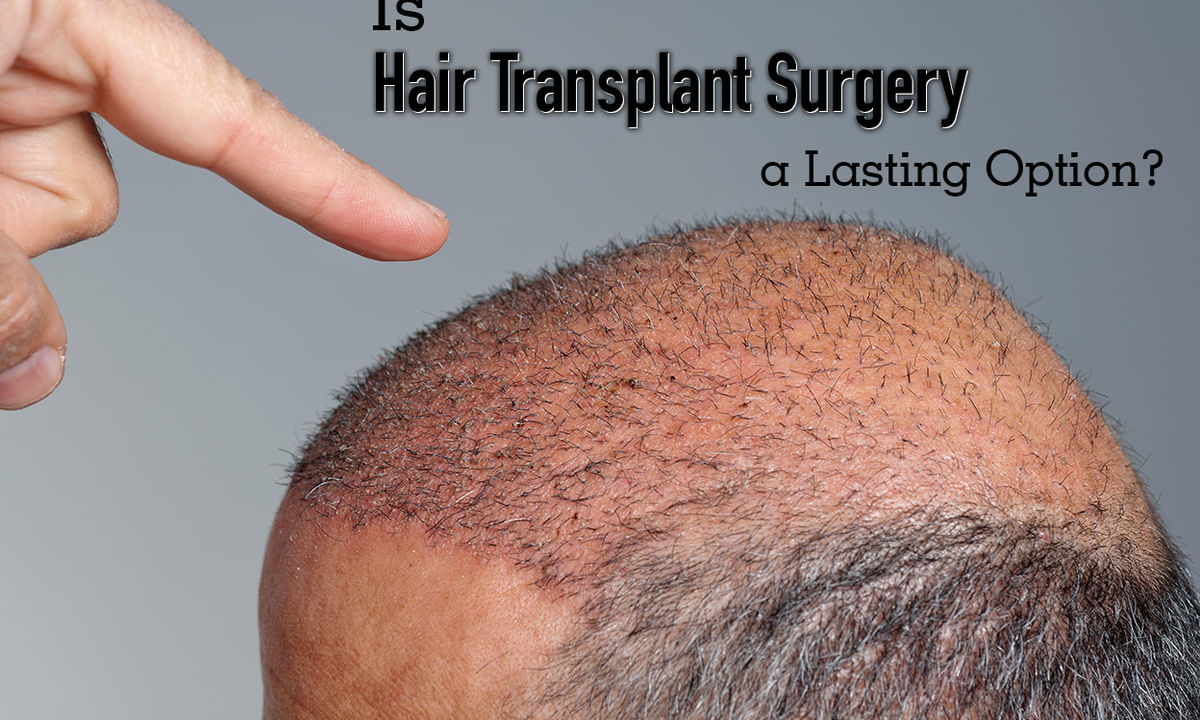
  1. Hair transplant: This surgical procedure involves removing hair follicles from areas of the scalp with sufficient hair growth and transplanting them to areas experiencing hair loss.

  2. Scalp reduction: In this procedure, the scalp with sparse hair is surgically removed and the remaining scalp with healthy hair is stretched to cover the bald area.

  3. Scalp micropigmentation: This non-invasive procedure involves tattooing tiny dots on the scalp to mimic the appearance of hair follicles, creating the illusion of a full head of shaved hair.

It is important to consult with a healthcare professional or a hair loss specialist to determine the most suitable treatment option based on the cause and extent of hair loss. They can provide personalized advice and guide you in choosing the right approach to manage your condition effectively.

Hair Loss Prevention and Maintenance

Tips for Preventing Hair Loss

Hair loss, also known as alopecia, is a common condition that affects many individuals at some point in their lives. It can be caused by various factors, including genetics, hormonal changes, medical conditions, and certain medications. While hair loss can be distressing, there are several steps you can take to help prevent it:

  1. Eat a balanced diet: Good nutrition is vital for healthy hair growth. Include protein-rich foods, such as lean meats, fish, and legumes, in your diet. Additionally, consume plenty of fruits, vegetables, and whole grains for essential vitamins and minerals.

  2. Avoid excessive heat and styling: Overusing heating tools like hairdryers, curling irons, and straighteners can damage the hair and weaken the follicles. Limit their use, and when you do use them, use heat protectant products.

  3. Protect your hair from the sun: UV rays can damage the hair shaft, leading to breakage. Wear a hat or use hair products with SPF to shield your hair from harmful sun exposure.

  4. Minimize stress: Excess stress can contribute to hair loss. Practice relaxation techniques such as meditation, exercise, or engaging in hobbies to manage stress levels.

Hair Care Routines for Maintaining Healthy Hair

Maintaining a good hair care routine is essential for overall hair health. Here are some tips to keep your hair healthy and reduce the risk of hair loss:

  1. Regularly wash your hair: Keeping your scalp clean helps prevent conditions like dandruff and scalp infections, which can contribute to hair loss. Use a gentle shampoo and conditioner suitable for your hair type.

  2. Avoid tight hairstyles: Tying your hair too tightly or using hairstyles that pull on the hair, like tight braids or buns, can cause hair breakage and damage the hair follicles. Opt for looser hairstyles that don't strain the hair.

  3. Use a wide-toothed comb: When detangling wet hair, use a wide-toothed comb to minimize hair breakage. Start combing from the ends and work your way up to the roots.

  4. Moisturize and protect: Use a leave-in conditioner or hair serum to moisturize and protect your hair from environmental damage. Additionally, consider using products with ingredients like biotin, keratin, and vitamins to promote hair health.

By incorporating these preventive measures and establishing a proper hair care routine, you can help maintain a healthy scalp and minimize the risk of hair loss. Remember, consulting a healthcare professional or a hair loss specialist is important if you are experiencing significant hair loss or seeking personalized advice regarding treatment options.

Psychological Impact of Hair Loss

Emotional effects of hair loss on self-esteem

Hair loss can have a significant impact on an individual's emotional well-being and self-esteem. Losing one's hair can lead to feelings of embarrassment, self-consciousness, and a decrease in self-confidence. The change in one's appearance may also affect social interactions and relationships, further exacerbating these negative emotions. In some cases, individuals may even experience anxiety or depression as a result of their hair loss. It is essential to recognize and address the emotional effects of hair loss, as they can deeply impact a person's overall quality of life.

Support and coping mechanisms for individuals experiencing hair loss

It is crucial for individuals experiencing hair loss to have a support system in place. Talking to friends, family members, or joining support groups can provide an avenue for expressing emotions and gaining encouragement. Seeking professional help from therapists or counselors who specialize in body image and self-esteem issues can also be beneficial. Additionally, exploring various coping mechanisms such as practicing self-care, engaging in physical activities, and pursuing hobbies can help individuals maintain a positive mindset and boost their self-esteem. It is important to remember that hair loss does not define one's worth, and there are resources available to help individuals navigate through these challenges.

Conclusion

Hair loss, also known as alopecia, can have a significant impact on an individual's emotional well-being and self-esteem. It is essential to recognize and address the emotional effects of hair loss, as they can deeply impact a person's overall quality of life. Having a support system in place and exploring various coping mechanisms can help individuals maintain a positive mindset and boost their self-esteem. It is important to remember that hair loss does not define one's worth, and there are resources available to help individuals navigate through these challenges.

Summary of Available Treatments for Hair Loss

There are various treatments available to help manage and regrow lost hair. These treatments include:

  1. Medications: Certain medications, such as minoxidil and finasteride, can help stimulate hair growth and slow down hair loss.

  2. Hair Transplant Surgery: This procedure involves taking hair follicles from one part of the body and transplanting them to the balding areas.

  3. Laser Therapy: Low-level laser therapy can be used to stimulate hair growth and improve the overall health of the hair follicles.

  4. Scalp Micropigmentation: This technique involves tattooing tiny dots on the scalp to mimic the appearance of hair follicles, giving the illusion of a fuller head of hair.

Encouragement for Individuals Experiencing Hair Loss to Seek Professional Help

For those experiencing hair loss, it is crucial to seek professional help from dermatologists or hair specialists who can provide guidance and recommend appropriate treatments. These professionals can assess the underlying causes of hair loss and develop a personalized treatment plan. Remember, you are not alone in this journey, and there are experts available to support you every step of the way. Don't hesitate to reach out for help and take action towards regaining your confidence and managing your hair loss.


There are two main types of hair loss: pattern hair loss and non-pattern hair loss. Pattern hair loss, also known as androgenetic alopecia

, is the most common type of hair loss and is caused by a combination of genetics and hormones. Non-pattern hair loss can be caused by a variety of factors including medical conditions, medications, and physical or emotional stress.

Hormonal changes can also play a role in hair loss. For example, many women experience hair loss during menopause due to hormonal fluctuations. Similarly, fluctuations in testosterone levels can cause hair loss in both men and women.

Certain medical conditions, such as alopecia areata, can also cause hair loss. This condition is an autoimmune disorder that causes patches of hair loss on the scalp and other parts of the body. Other medical conditions, such as thyroid disease and iron-deficiency anemia, can also contribute to hair loss.


There are several treatments available for hair loss, including medication, topical solutions, and hair transplantation surgery. Medications such as minoxidil and finasteride have been shown to be effective in promoting hair growth and slowing down the progression of hair loss. Topical solutions, such as hair growth serums and scalp treatments, can also help to promote hair growth.


Hair transplantation surgery is a more invasive option, but can also be effective for those who are experiencing significant hair loss. The procedure involves removing hair from one part of the scalp and transplanting it to an area of the scalp where hair is thinning or absent.


In conclusion, hair loss can be a distressing condition, but there are many treatments available to help manage the condition and regrow lost hair. If you are experiencing hair loss, it is important to talk to a doctor or dermatologist to determine the cause and find the best course of treatment for your specific needs.